
Stephen C. Caird
Researching fossil spores in coal balls
Graduate research in Ecology & Evolutionary Biology at Texas A&M University, connecting ancient coal swamps with living mangrove coasts, one spore at a time.
Explore my researchAbout
I study how plant communities are assembled and preserved — from the peat of 300-million-year-old coal swamps to the mangrove coasts of southern Florida.
Doctoral research in Ecology & Evolutionary Biology
Did the great coal-forming swamps of the late Paleozoic stop at the water's edge, or did they reach into brackish, mangrove-like settings along the sea?
- Program: Ph.D., Ecology & Evolutionary Biology
- University: Texas A&M University
- Location: College Station, TX
- Advisor: Dr. Anne Raymond
- M.S.: Biology (Ecology), Northern Michigan University
- Email: stephen.caird@tamu.edu
My dissertation brings together paleobotany, palynology, and community ecology. Working with Dr. Anne Raymond in the Department of Geology and Geophysics, I extract fossil spores from coal balls — calcite-permineralized peat from Pennsylvanian coals — to ask which plants grew where, how their spores and pollen reached the peat, and whether some of these ancient wetlands bordered the sea. Alongside the fossils, I study living detritivore communities in peat-forming mangroves of southern peninsular Florida.
I came to the microscope by way of the field. Since 2006 I have banded owls and songbirds, searched for warbler nests, recorded bats across the Great Plains, surveyed rare plants in Michigan's Upper Peninsula, and worked as a NOAA Fisheries Observer in the Bering Sea and Gulf of Alaska. Those seasons outdoors still shape the questions I ask — and the way I teach.
U.S. states where I have done field or lab work
University courses taught as a lab or field instructor
Research grants from Texas A&M and Northern Michigan University
Northern Saw-whet Owls (about) banded on fall migration
Research
Fossil spores, permineralized peat, and living wetlands — using the present and the deep past to understand each other.
Peat, spores, and the edges of ancient swamps
My dissertation weaves together fossil and living systems to understand how peat-forming plant communities are organized across space and time, and how faithfully the fossil record captures them.
- Paleobotany
- Palynology
- Peat- & coal-forming environments
- Coastal mangrove community ecology
- Arthropod evolution
- Detritivory
- Palynivory
- Estuarine plant diversity through space & time
Toward a landscape-ecological interpretation of miospore assemblage variants in Pennsylvanian coal and permineralized peat
- Uses coal balls from the Herrin No. 6 coal (Carbondale Formation, Illinois) and the Kalo Formation (Iowa), roughly 307–315 million years old.
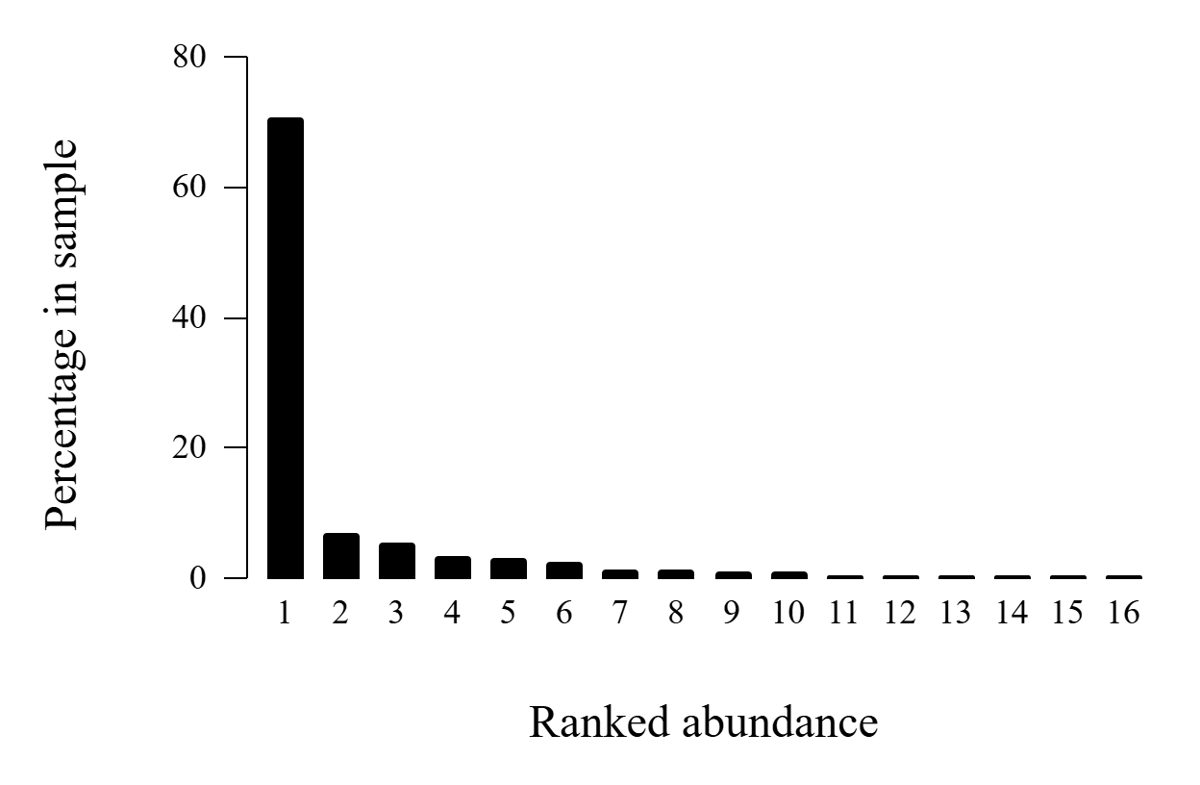
- Shows that spores trapped in fallen Scolecopteris sporangia can inflate counts — a bias that coal palynology alone cannot detect, but coal balls can.
- Spores from coal balls appear to keep more of their original shape than those extracted from coal.
Detritivores in peat-forming mangroves
Ecological studies of the detritivore communities living in modern peat-forming mangroves, supported by an EEB Research Grant from Texas A&M. Living mangroves offer a window onto how ancient coastal peats may have worked.
Palynology & isotope geochemistry
Preparing palynological samples from sediment and honey, and reviewing the literature for georeferenced isotopic measurements to support a regional isoscape-mapping project in development.
White spruce, moose, and Isle Royale
“White spruce (Picea glauca), moose (Alces alces), and the origin of a zootic disclimax community on Isle Royale” — a dendrochronological study in Isle Royale National Park.
Methods
Skills gathered in labs, forests, prairies, and at sea.
Laboratory & microscopy
- Palynological preparation of sediment, honey, and coal-ball peat
- Cellulose-acetate peels of coal balls
- Identification and counting of Pennsylvanian miospores
- DNA-based population structure (Indiana Bat, museum and live-caught specimens)
- Dendrochronology
Wildlife field methods
- Mist-netting and banding, including molt and body-condition assessment
- Nest searching, monitoring, and territory mapping of color-banded birds
- Radio telemetry of birds and bats
- Line-transect and distance sampling
- Drift fences, pitfall traps, and mark-recapture for herpetofauna
- Biological sampling and seabird / marine mammal monitoring at sea
Bioacoustics
- Stationary and mobile bat acoustic surveys following NABat protocol
- SM4, SM3, and ANABAT recording units
- Audio voucher recordings for bird inventories
Botany & vegetation
- Meander surveys for rare and invasive plant species
- Tree species composition and vegetation structure
- Species-level plant composition and floristic inventories
Curriculum Vitae
Education, grants, service, and two decades of research and field experience.
Education
Ph.D., Ecology & Evolutionary Biology (in progress)
2023 - Present
Texas A&M University, College Station, TX
Advisor: Dr. Anne Raymond, Department of Geology and Geophysics.
M.S., Biology (Ecology)
2011 - 2015
Northern Michigan University, Marquette, MI
Advisor: Dr. Alan Rebertus. Thesis: “White spruce (Picea glauca), moose (Alces alces), and the origin of a zootic disclimax community on Isle Royale.”
B.S., Biology (Physiology), Chemistry minor
2002 - 2006
Northern Michigan University, Marquette, MI
Grants & Awards
EEB Research Grant
2025
Ecology & Evolutionary Biology Interdisciplinary Program, Texas A&M University
$1,500 to support ecological studies of detritivore communities in peat-forming mangroves of southern peninsular Florida.
College of Graduate Studies Excellence in Education Grant
2012 & 2013
Northern Michigan University
$1,500 (awarded twice) to support dendrochronological research in Isle Royale National Park.
Service
- Treasurer, Texas A&M Ecological Integration Symposium Planning Committee (2024–2025)
- Treasurer, Texas A&M EEB Interdisciplinary Student Organization (2024–2025)
- Member, Texas A&M EEB Annual Darwin Day Planning Committee (2023–2024)
- Stream macroinvertebrate monitoring volunteer, Yellow Dog Watershed Preserve (2014–2016)
Research & Professional Experience
Graduate Research Assistant – Palynology & Isotope Geochemistry
Spring 2026
Department of Anthropology, Texas A&M University
Prepared palynological samples from sediment and honey; reviewed literature for georeferenced isotopic measurements for a regional isoscape-mapping project.
Graduate Teaching Assistant
Fall 2023 - Fall 2025
Texas A&M University
Laboratory teaching in General Entomology, Evolution and Diversity of Vertebrates, and Forensic Entomology.
Bat Monitoring Technician (Acoustic)
Summers 2021 - 2025
University of Wyoming / Wyoming Natural Diversity Database
Stationary and mobile acoustic surveys with SM4 units under NABat protocol across Nebraska, South Dakota, and North Dakota.
NOAA Fisheries Observer (North Pacific)
2019, 2020, 2022, 2023
AIS, Inc. & Saltwater, Inc.
Sampled catch, collected biological specimens, and monitored seabird and marine mammal interactions aboard fishing vessels in the Aleutian Islands, Gulf of Alaska, and Bering Sea.
Graduate Teaching Assistant / Adjunct Faculty
2006-2007, 2011-2015, 2018, 2022
Northern Michigan University
Laboratory and field teaching in introductory biology, anatomy and physiology, cell and molecular biology, northern forest ecology, and boreal flora.
Biological Science Technician (GS-07)
2008 - 2010
USDA Forest Service, North Central Research Station, Columbia, MO
Indiana Bat (Myotis sodalis) population genetics, ANABAT acoustic monitoring, bat radio-tracking, forest composition surveys, and songbird nest monitoring.
Selected Field Positions
2006 - 2019
- Golden-cheeked Warbler Nest Searcher (2015) / Crew Lead (2019) — University of Missouri, Balcones Canyonlands, TX
- Contract Botanist / Field Ornithologist — Yellow Dog Watershed Preserve, MI (2018)
- Contract Botanist, Rare & Invasive Species — Biophilia LLC, Ottawa National Forest, MI (2018)
- Bachman's Sparrow Habitat Vegetation Monitor — Tall Timbers Research Station, FL (2018)
- Assistant Owl Bander — Michigan Audubon / Whitefish Point Bird Observatory, MI (2017)
- Greater Sage-Grouse Habitat Survey Technician — Colorado Parks and Wildlife (2017)
- Kirtland's Warbler Mist-net, Telemetry & Nest Searching Intern — Smithsonian Migratory Bird Center; Bahamas & Michigan (2017)
- Avian Nest Searcher & Video Technician — University of Montana, Mogollon Rim, AZ (2016)
- Bat Acoustic & Mist-net Technician — Wyoming Natural Diversity Database (2015)
- Avian Nest Searcher / Site Leader — University of Missouri (2011)
- Avian Field Biologist — Missouri Department of Natural Resources (2008)
- Herpetological Survey Technician — University of Missouri, Missouri Ozarks (2008)
- Fall Migration Songbird Banding Technician — Atlantic Bird Observatory, Nova Scotia (2007)
- Avian Survey Technician — Northern Michigan University, Pictured Rocks National Lakeshore (2007)
- Aquaculture / Backcountry Weir Technician — Cook Inlet Aquaculture Association, AK (2006)
- Golden-winged Warbler Field Technician — Ithaca College, Orange County, NY (2006)
Teaching
Laboratory and field teaching at Texas A&M University and Northern Michigan University — helping students look closely at living things.
General Entomology
ENTO 201 · Texas A&M University · laboratory sections, 2023–2025
Evolution & Diversity of Vertebrates
ECCB 302 · Texas A&M University · laboratory sections, 2023–2025
Forensic Entomology
FIVS/ENTO 432 · Texas A&M University · laboratory sections, 2023–2025
Foundations of Biology
Northern Michigan University
- Introductory Biology: Principles (BI 111)
- Introductory Biology: Diversity (BI 112)
- Introductory Cell & Molecular Biology (BI 218)
Anatomy & Physiology
Northern Michigan University
- Anatomy (BI 107, BI 201)
- Physiology (BI 202)
Field Ecology & Botany
Northern Michigan University
- Ecology of the Northern Forest (BI 305)
- Boreal Flora (BI 433)
Projects
Knowledge hubs, interactive explorers, and soundscape experiments — free to use and share.
The Open Commons of Learning Under construction
An open network of scholars and knowledge hubs for teaching, education, and research. Make a hub, join a hub, or link your lab.
Drifting Through Deep Time Under construction
A knowledge hub layering moving continents, ancient plants, climate, and human migration on one globe across 540 million years.
Coal Talk Under construction
“If you don’t talk to your kids about coal… who will?” A retro public-service announcement about coal and its history.
Lab
Interactive explorers for palynology, stratigraphy, and deep-time geography — works in progress, shared early.
Spore Scope Under construction
Three playable palynology modules: a 470-million-year spore time scrubber, a thermal maturity lab, and a coal-swamp plant–spore matching game.
Pollen Rain Simulator Under construction
Grain settling, pollination-drop capture in Pinus vs Ginkgo, landscape pollen dispersal, and a Holocene pollen diagram with preservation bias.
Grain by Grain Under construction
A tiered, gamified course in pollen morphology built on the micrographs and terminology of Illustrated Pollen Terminology (CC BY 4.0).
Palynomorph Range Compendium Under construction
Interactive first- and last-appearance range chart of ~60 spore and pollen taxa, with extinction horizons.
Coastal Sediment & Facies Under construction
Model a coast forward from grain size, river flow, waves, tides, and shoreline trajectory — or work backward from carbonate beds and distal shales.
Peel Back Time Under construction
Drag down the stratigraphic column to strip away every rock younger than a chosen age, worldwide, down to the basement.
Six Slices of Earth Under construction
Six circles of latitude through Earth’s continents and oceans, coloured by geological period.
North America 20k Under construction
The Americas through deep time: ice sheets, sea level, vegetation from pollen, archaeological sites, and languages on a 35,000-year slider.
Midcontinent Paleogeography Explorer Under construction
Inferred maps of land, mire, and sea from the Illinois Basin to the Midcontinent, 312–304 Ma, with Heckel’s cyclothems on one time axis.
Gallery
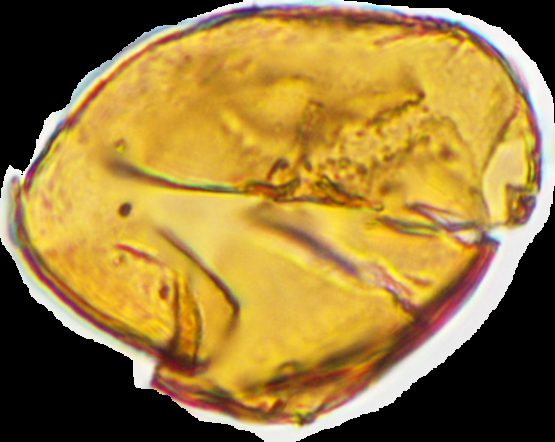
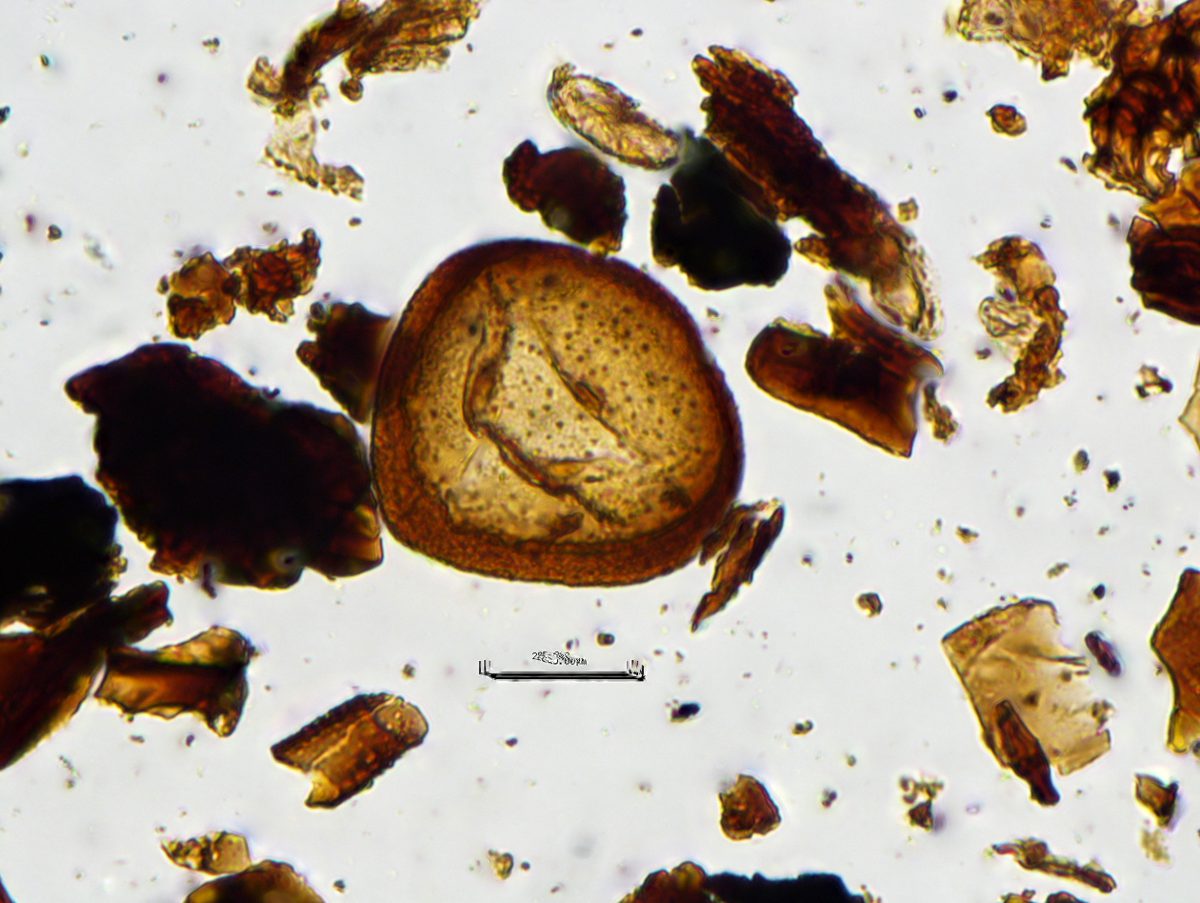
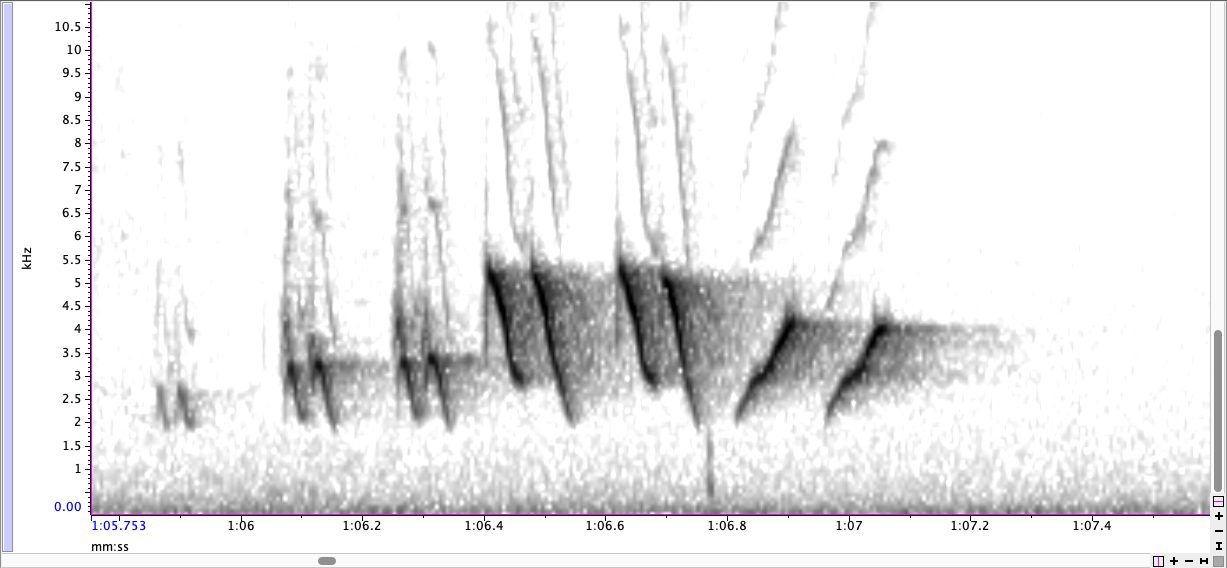
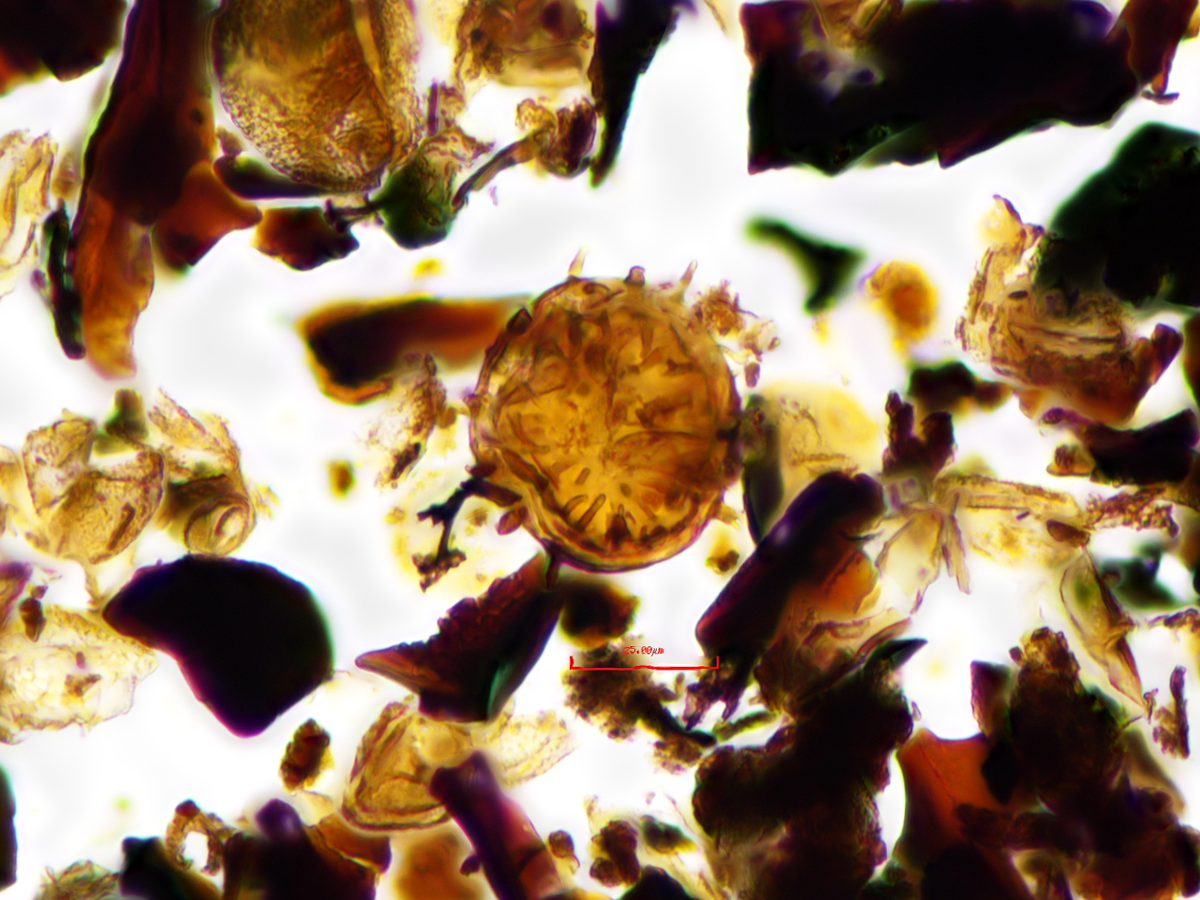
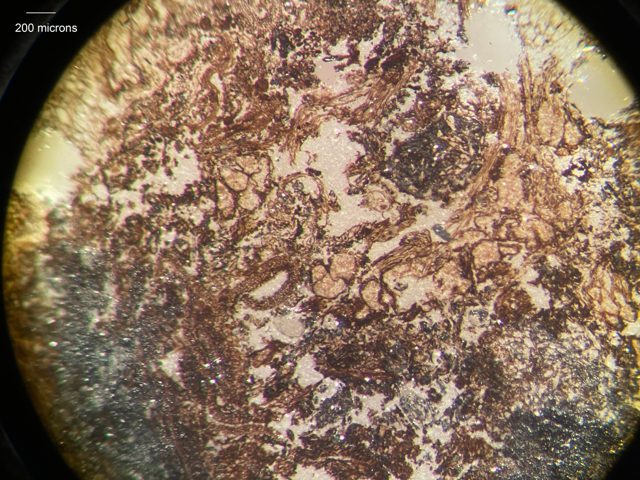
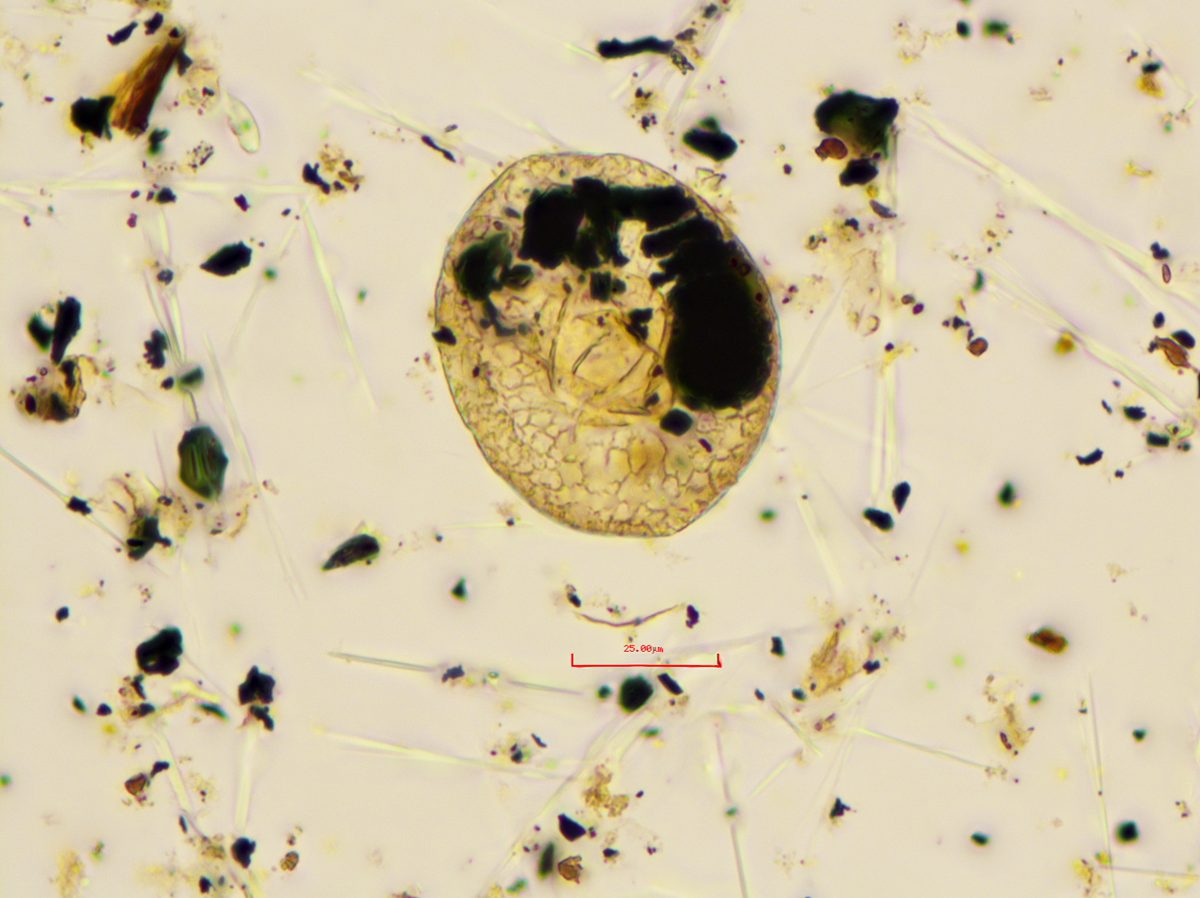
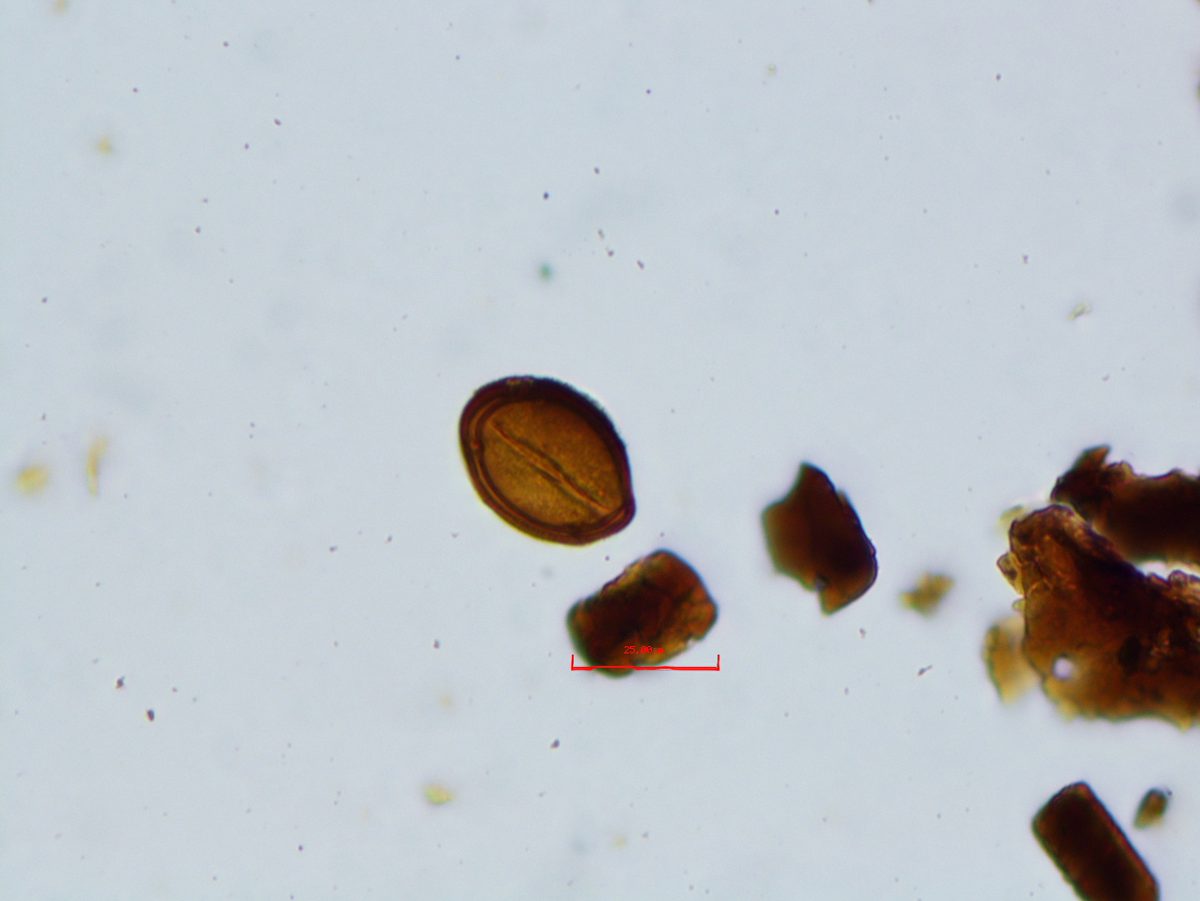
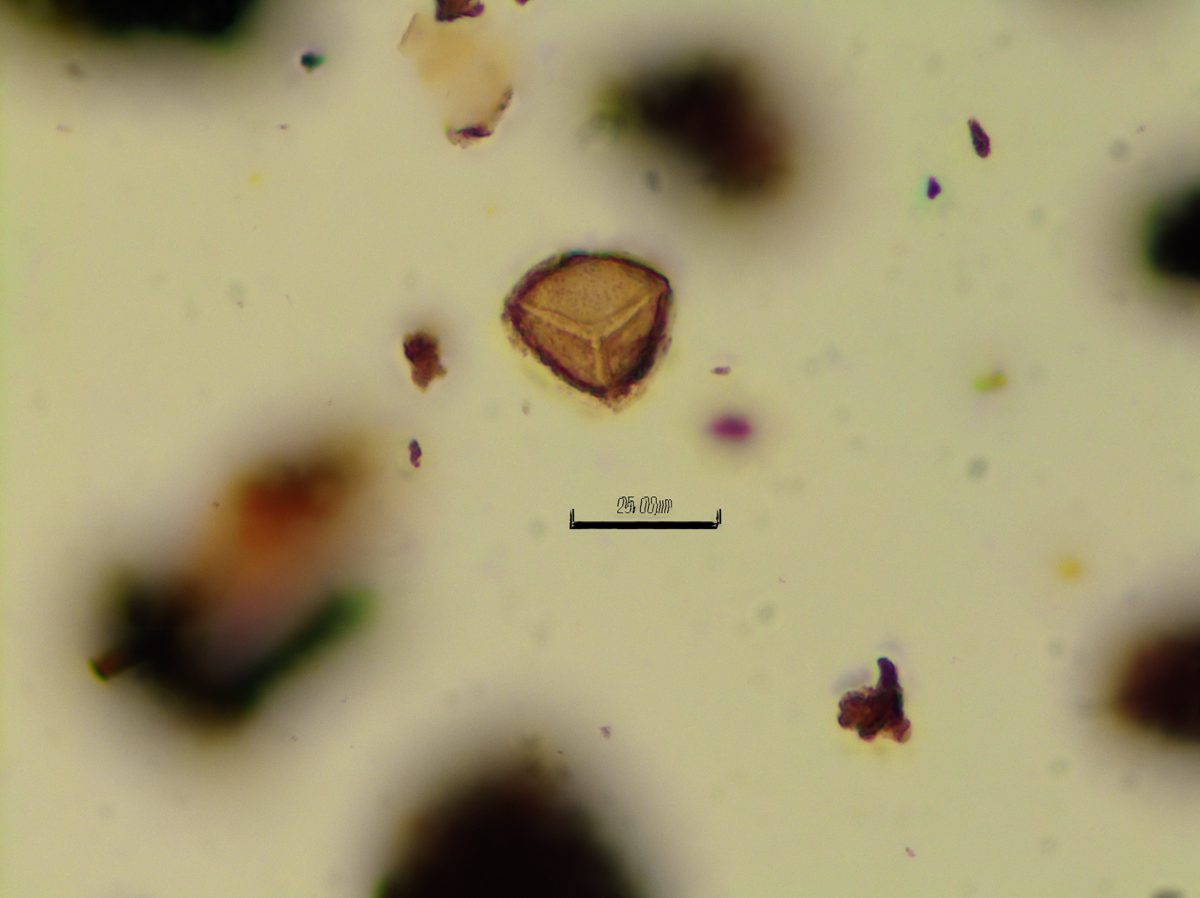
A closer look: microfossils from coal-ball peat, research figures, and sounds from the field. Click any image to enlarge it.
- All
- Fossil spores
- Coal balls & data
- Field sound
Contact
Questions, collaborations, or curiosity about coal balls and spores are always welcome.
Program
Ecology & Evolutionary Biology Interdisciplinary Program
Texas A&M University
Location
College Station, Texas, USA
Let's talk
I enjoy hearing from fellow students, researchers, educators, and anyone who has ever wondered what an ancient swamp looked like. If you are interested in palynology, coal-ball paleobotany, mangrove ecology, or field biology, please reach out — email is the best way to reach me.
Send me an email